Fleas and Ticks in Costa Rica: Where They Hide and What Favors Their Presence
✓ Pest control company licensed by the Ministry of Health · ✓ More than 10,000 clients
In homes with pets, fleas and ticks can persist when there's a continuous cycle between the animal and the environment. Effective control addresses both: the environment (home and yard) and responsible management of the host (pet) with your veterinarian.
Contents
Scientific Name and Common Species
Fleas are insects (order Siphonaptera) and ticks are arachnids (order Ixodida). In homes with pets, the most commonly reported are:
- Ctenocephalides felis (cat flea): also affects dogs, and can be present in homes even without cats.
- Ctenocephalides canis (dog flea): less common than the previous species in many settings, but still relevant.
- Rhipicephalus sanguineus (brown dog tick): can live in houses, yards, and kennels; hides in cracks.
Key to the cycle: with fleas, the adult you see on the animal is only part of the problem. Eggs, larvae, and pupae can be in the environment (bedding, carpets, cracks), which is why control usually requires consistency.
Common Names in Costa Rica
They're known as pulgas (fleas) and garrapatas (ticks). In yards, people talk about the "garrapata café" or "garrapata del perro" (brown dog tick).
Where They're Found in Homes
- Pet bedding and resting areas: blankets, mattresses, pet houses, carpets.
- Cracks in floors, baseboards, and wall joints.
- Yards: shade, damp soil, weeds, kennels, and protected corners.
- Upholstery: sofas and spots where the pet climbs.
Conditions That Favor Them
- Available hosts: dogs and cats without regular ectoparasite control.
- Environments with hiding spots: clutter, textiles, cracks, kennels with buildup.
- Humidity and shade: especially in yards, under plants, or structures.
- Contact exposure: pets that visit parks, daycare, grooming, or live with other animals.
Typical Signs
- Frequent scratching, skin biting, irritation (see a veterinarian if it persists).
- Small black specks ("flea dirt") in the fur or bedding.
- Visible ticks on ears, neck, between toes, or areas with less fur.
- Fleas visible jumping when walking through resting areas.
Prevention and Management
- Wash pet bedding and blankets frequently.
- Vacuum carpets and sofas and dispose of the vacuum contents safely.
- Reduce weeds and excess shade in yards; keep kennels clean.
- Coordinate treatment of the animal with your veterinarian (environmental treatment doesn't replace host management).
Professional Control of the Environment
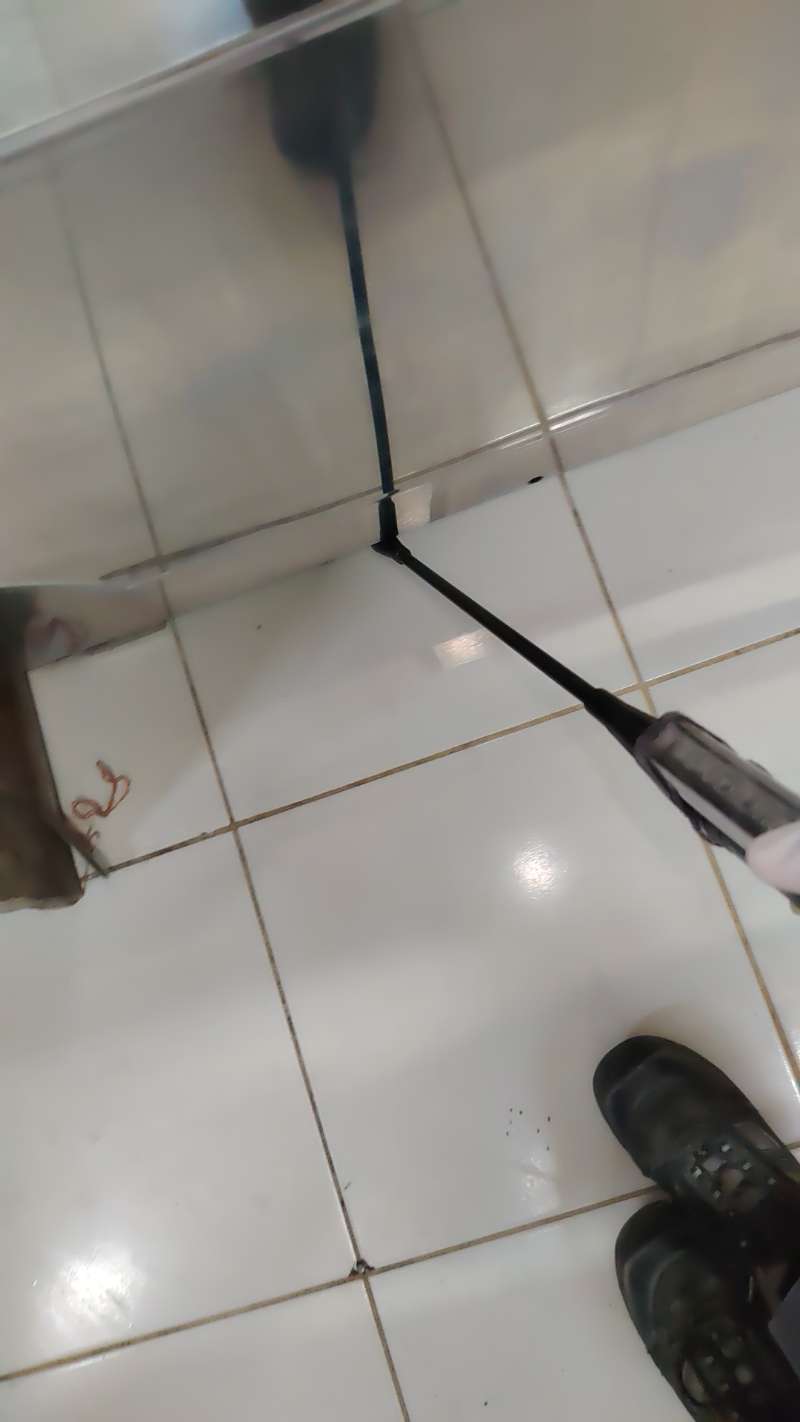
Professional control focuses on hiding spots (bedding, cracks, perimeters) and, if needed, yard areas. The goal is to reduce the environmental population to break the cycle. In persistent cases, the strategy is adjusted based on distribution (indoor vs. yard) and the pet's habits.
How We Treat Fleas and Ticks at EcoPlagas
Photos from real service visits, taken from recent reports by our technicians.