Mosquitoes in Costa Rica: Where They Breed and What Favors Their Presence
✓ Pest control company licensed by the Ministry of Health · ✓ More than 10,000 clients
In Costa Rica, most mosquito problems come down to one rule: no standing water, no breeding site. The most effective control combines removing breeding sites, physical barriers, and vegetation management, with targeted treatments in some cases.
Contents
Scientific Name and Key Groups
Mosquitoes belong to the family Culicidae. To understand why they show up, it helps to know that different genera prefer different types of water and different times of day:
- Aedes (e.g., Aedes aegypti and Aedes albopictus): breed in small containers with clean or relatively clean water (buckets, flower vases, tires). They tend to bite during the day.
- Culex (e.g., Culex quinquefasciatus): associated with more organic or stagnant water; tends to bite more in the evening and at night.
Key point: fumigation alone rarely solves a mosquito problem if the breeding site is still active. The larval cycle happens in water and the population bounces back quickly.
Common Names in Costa Rica
They're called zancudos or mosquitos. In some areas, the smaller ones are called "mosquitos" and the larger ones "zancudos," but in practice they're the same group.
Main Breeding Sites in Homes
- Tires and containers in the yard (even with just a little water).
- Buckets, basins, and tanks without a lid or with a poorly fitted one.
- Gutters clogged with leaves and sediment.
- Saucers under plant pots, bromeliads, or ornaments that collect water.
- Pet water bowls that aren't changed often.
- Trash that holds water (containers, cans, plastic).
Conditions That Favor Them
- Standing water (in any container) for more than a few days.
- Dense vegetation: shade and humidity where adults rest.
- Lack of screens on windows or doors; entrances left open at dusk.
- Neighborhood factors: nearby breeding sites (next-door property, vacant lot) can sustain the local population.
Signs and Activity Times
- More activity in the evening and at night suggests nocturnal species or nearby breeding in drains or organic water.
- More activity during the day and near containers suggests Aedes-type breeding sites.
- Concentration in one part of the yard points to a resting area (vegetation) or a nearby breeding site.
Prevention and Control at Home
- Eliminate breeding sites weekly: empty, scrub, and change the water in containers.
- Uncover and clean gutters; remove accumulated leaves.
- Use proper lids on tanks and water containers.
- Trim vegetation touching the house; reduce resting spots.
- Install screens and check the seals on doors and windows.
Professional Control
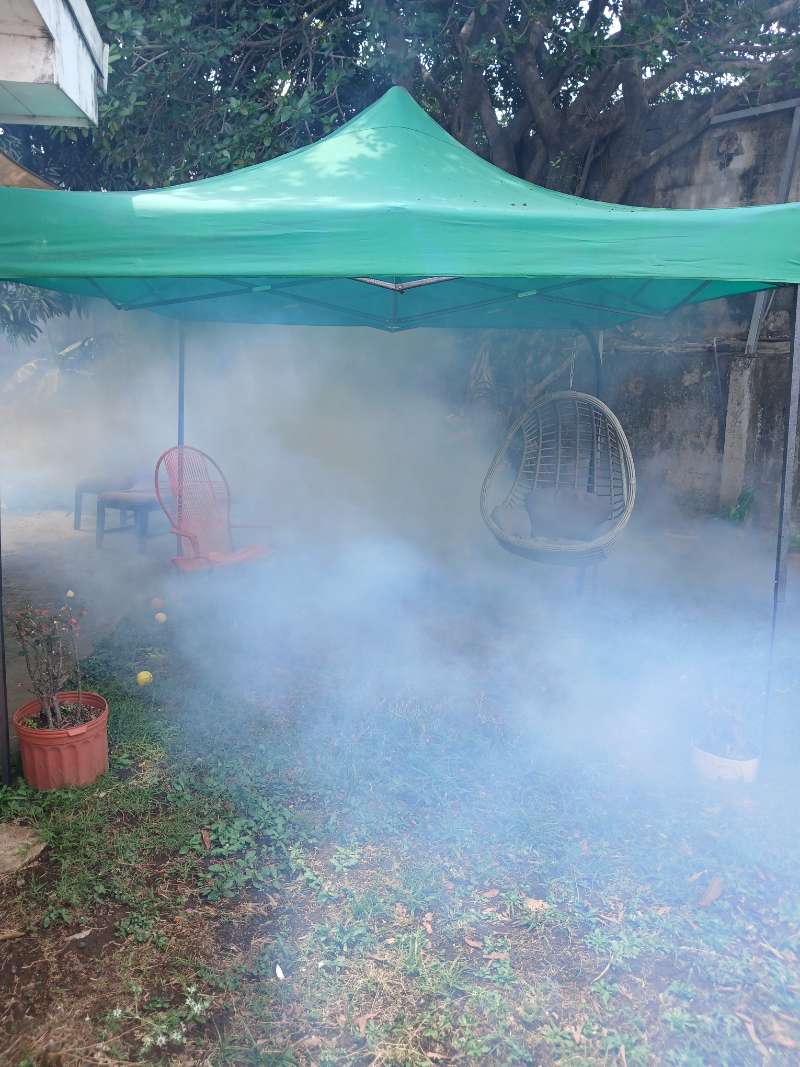
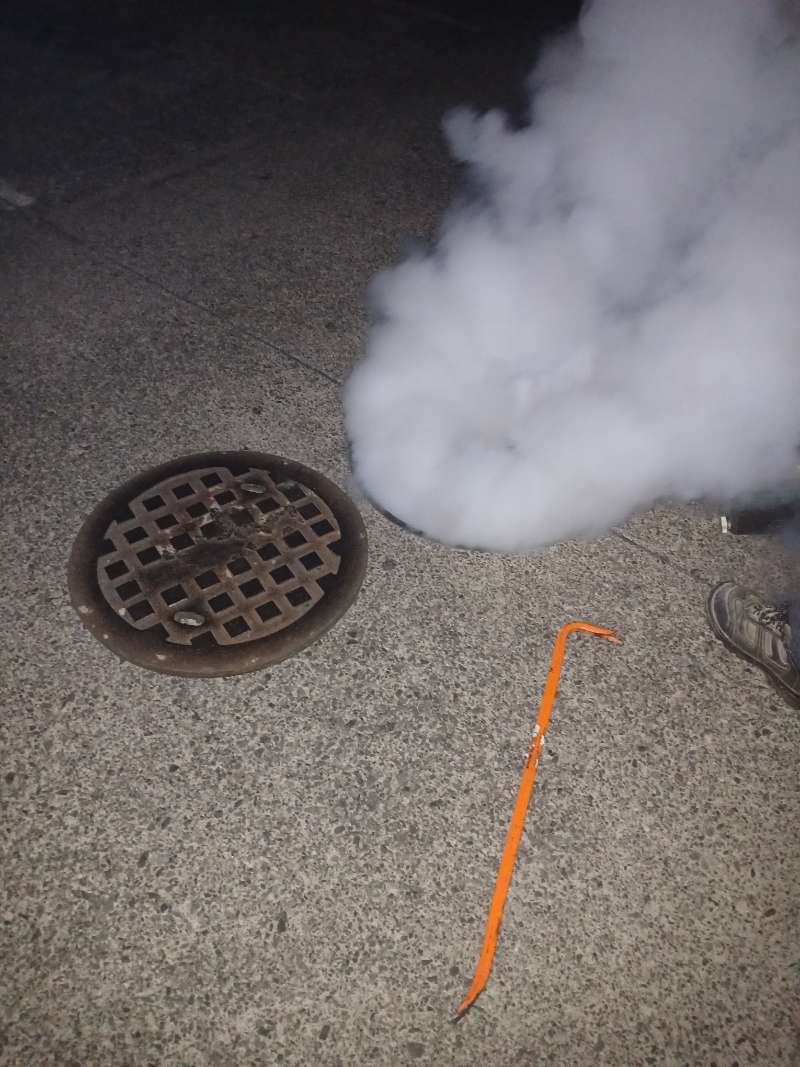
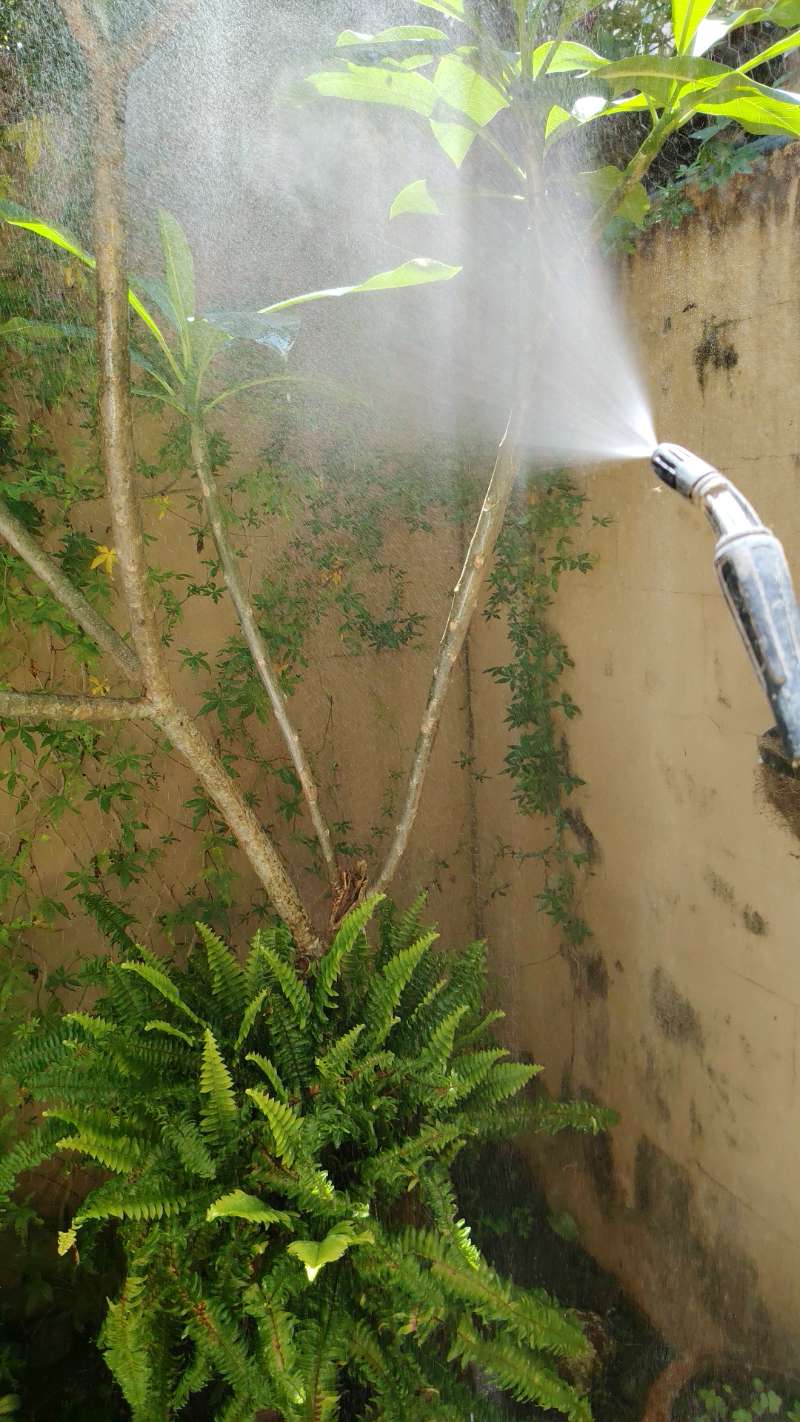
A professional service usually includes an inspection of breeding sites, corrective recommendations, and targeted treatments (depending on the scenario) to reduce adult populations at critical points. In large yards or areas with heavy vegetation, treatment is organized by resting areas, prioritizing cutting off the source (water).
How We Treat Mosquitoes at EcoPlagas
Photos from real service visits, taken from recent reports by our technicians.