
Cockroaches in Costa Rica: Species, Habits, and How to Control Them
✓ Pest control company licensed by the Ministry of Health
Contents
Scientific name and common species
In Costa Rica, "cockroach" is a general name for insects in the order Blattodea. For pest control purposes, it's more useful to talk about species, because each one has different habits (size, shelter, moisture preference, reproduction speed, and behavior).
Common household species
- Blattella germanica (German cockroach): small, reproduces fast, associated with kitchens and appliances.
- Periplaneta americana (American cockroach): large, usually comes from sewers, drains, and damp areas.
- Periplaneta australasiae and related species: often associated with outdoor areas and nearby vegetation.
- Supella longipalpa (brown-banded cockroach): can show up in living rooms and bedrooms, not just the kitchen.
What locals call them in Costa Rica
Besides "cucaracha," in Costa Rica you'll often hear "cuca," "cucaracha de alcantarilla" (sewer cockroach, for the larger species), and "cucaracha pequeña" (small cockroach, for German-type species). In food businesses, it may get described as "cucaracha de cocina" (kitchen cockroach) based on where it's spotted.
Where they're found in homes
Cockroaches look for darkness, moisture, warmth, and access to food. That's why their typical hiding spots tend to be very close to water or grease sources.
- Kitchen: behind the refrigerator, inside or behind the stove, under the sink, pantries, cabinets, cabinet joints, and baseboards.
- Bathrooms: behind the toilet, cabinets, vents, and drains.
- Laundry room: washer, dryer, hoses, drains, and clutter in damp areas.
- Appliances: coffee makers, microwaves, toasters, and anything that combines warmth and crumbs.
- Drains and sewer lines: if you're seeing large species, check floor drains, traps, and access points from outside.
Conditions that favor them
- Moisture: small leaks, dry traps, condensation behind the fridge or under the sink.
- Available food: crumbs, grease, dirty dishes, uncovered trash, exposed pet food.
- Shelter: piled-up cardboard, clutter, cracks, open baseboards, unsealed pipe penetrations.
- Entry points: vents without screens, worn-out seals on doors, windows, or pipe penetrations.
Signs of an infestation
- Seeing cockroaches during the day (usually means high activity or not enough shelter for the population).
- Egg cases (ootheca) or shed skins near cabinets or appliances.
- Droppings that look like small black dots (especially with German cockroaches) in corners and joints.
- A musty or oily smell in serious infestations.
Prevention and best practices
- Fix leaks and reduce moisture; keep the cabinet under the sink dry.
- Clean up grease (stove, range hood, sides of the stove) and avoid leaving dirty dishes overnight.
- Use trash cans with lids and take out the trash often.
- Store food in airtight containers; don't leave pet food out all night.
- Seal cracks and pipe penetrations; add screens to vents where it applies.
Professional control: what we do and why
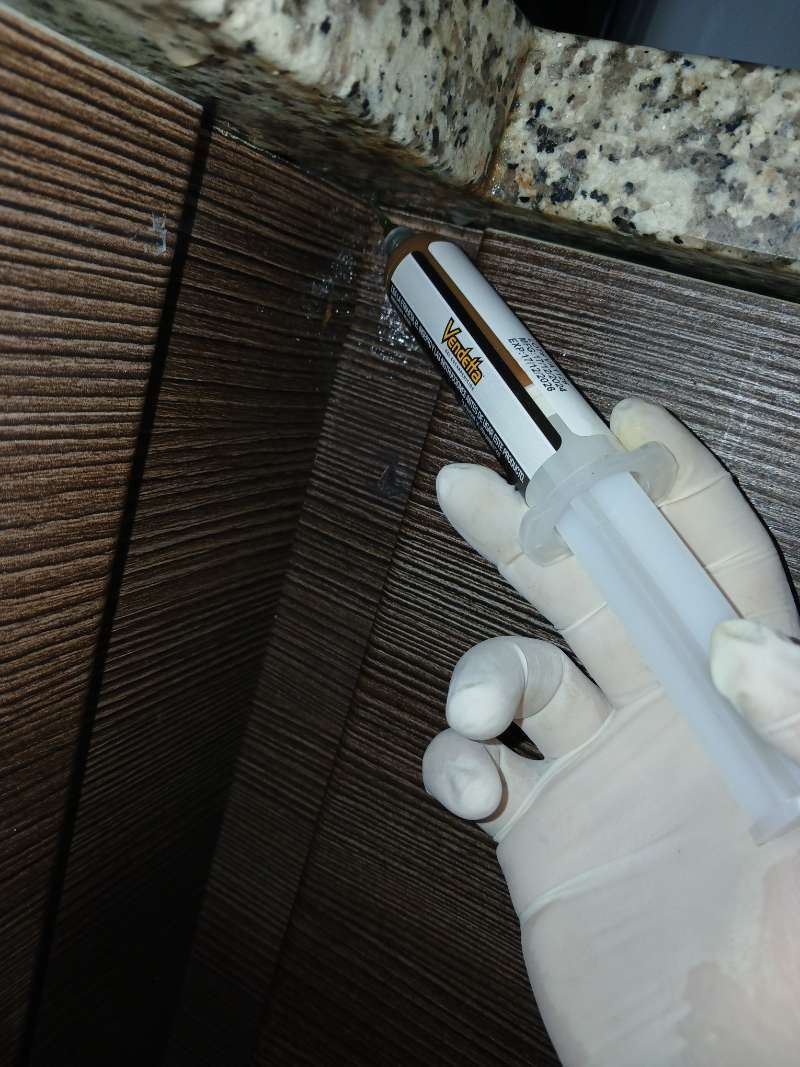
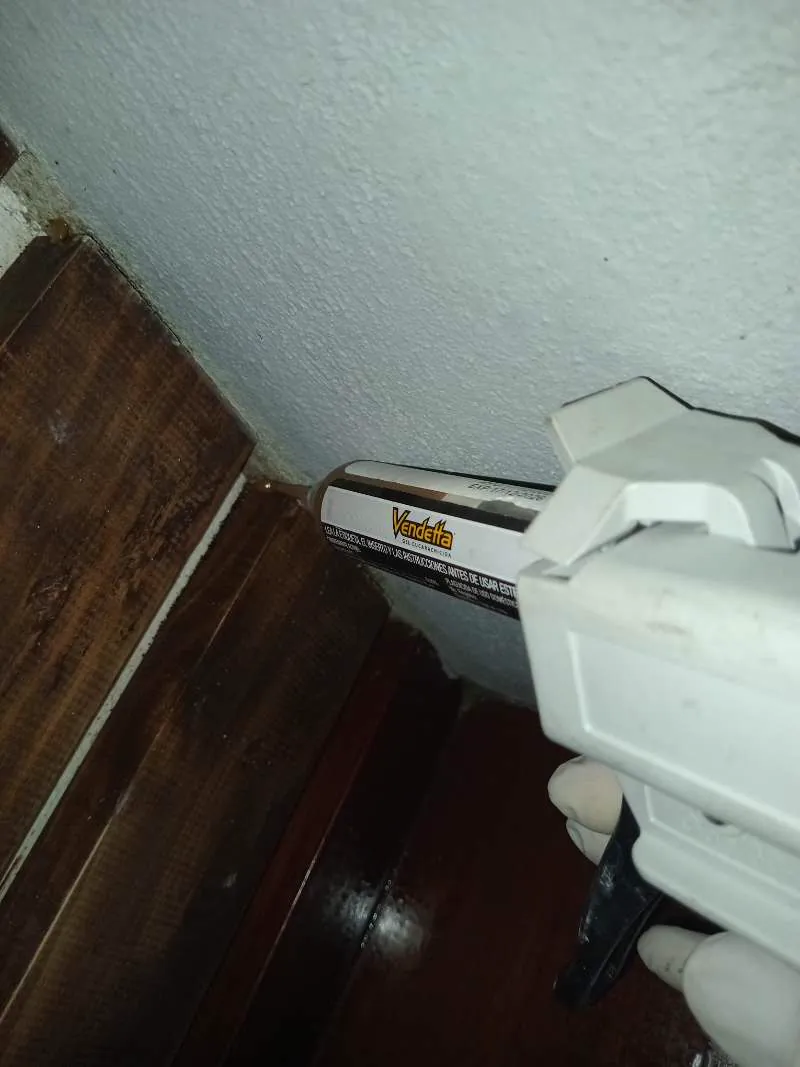
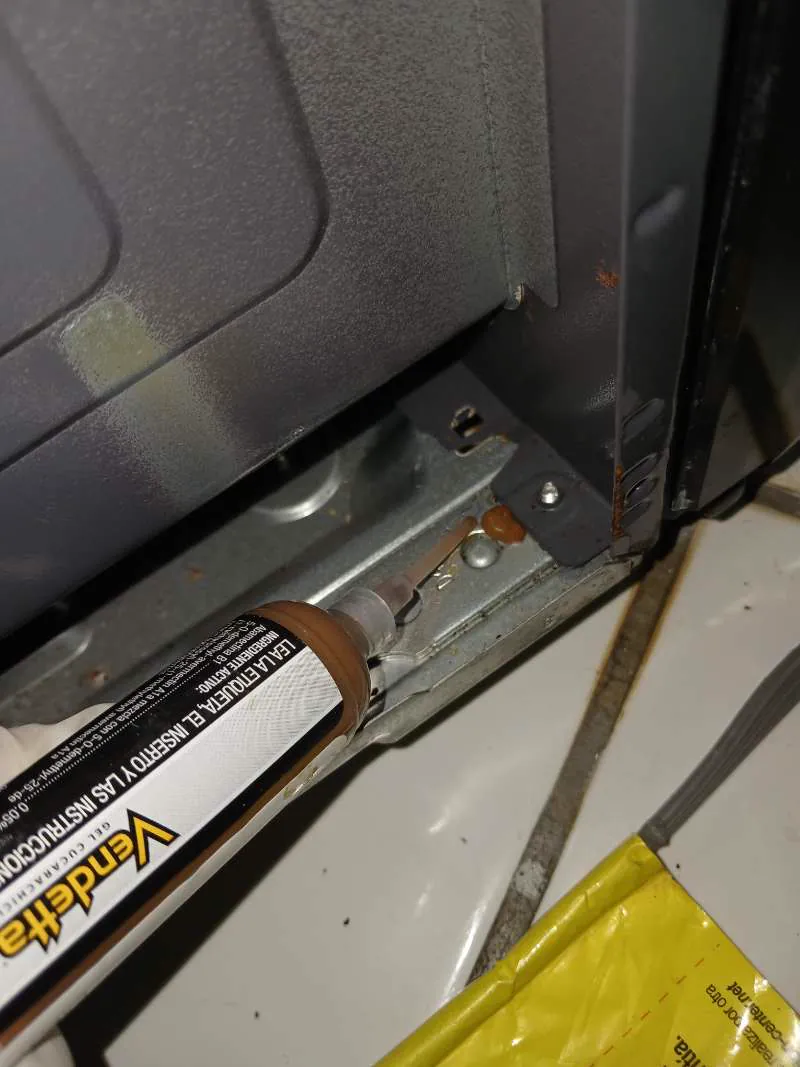
Effective control usually combines an inspection, treatment at critical points, and recommendations to cut off the root causes (moisture, food, shelter, and entry points). For German cockroach infestations, for example, it's common to work with baits and targeted treatments in the kitchen and around appliances, along with hygiene measures.
How we treat cockroaches at EcoPlagas
Real service photos, taken from our technicians' recent reports.
Frequently asked questions
Are cockroaches common in Costa Rica?
Yes, very. The warm, humid climate means cockroaches are active year-round in every part of the country, not just in the rainy season. The small German cockroach is the one that takes over kitchens and bathrooms, and the large American cockroach is the one that comes up through drains and sewer lines. Seeing one or two outdoors at night is normal in Costa Rica; seeing them indoors during the day, or finding droppings and egg cases inside cabinets, means there is a colony and it is time to treat.
Frequently asked questions
- How much does cockroach fumigation cost in Costa Rica?
- At EcoPlagas, fumigating a house or apartment up to 100 m² costs ₡39,900 and covers cockroaches, ants, fleas and spiders. Up to 200 m² costs ₡49,900. The date is confirmed on WhatsApp in under an hour.
- How do I get rid of German cockroaches in the kitchen?
- With cockroach gel applied in cracks, hinges, the refrigerator motor and cabinet joints, plus degreasing and sealing food. Spraying into the air does not work: it scatters them. A heavy infestation needs a second application two or three weeks later.
- How often should I fumigate for cockroaches?
- A house, every 3 to 6 months depending on its history; a restaurant or soda, every month with a logbook. When the plan is completed, EcoPlagas gives a 30 day follow-up, with conditions.
- Is cockroach fumigation safe with children and pets?
- Yes. Green label product is applied in cracks, not sprayed into the air, and re-entry is one hour later. Pets stay out of the treated area during the application.
- Why do cockroaches come back after fumigation?
- Because no product that is safe for people can get through the oothecae (egg capsules). The first application kills between 70 % and 90 % of the population; the young hatch over the following weeks, which is why 2 or 3 applications are needed to break the cycle. Our commitment is the visit with the recommended products and doses and, when the plan is completed, a 30 day follow-up with conditions.