Flies in Costa Rica: Where They Come From and What Conditions Favor Them
✓ Pest control company licensed by the Ministry of Health · ✓ More than 10,000 clients
Flies show up when there's an organic breeding site that lets them feed and reproduce: trash, waste, decaying matter, dirty drains, or animal droppings. If the source stays active, the population bounces back fast.
Contents
Scientific Name and Common Types
"Flies" is a general term for insects in the order Diptera. In homes and businesses, the most relevant species are:
- Musca domestica (house fly): associated with trash, waste, and organic matter.
- Drosophila spp. (fruit flies): small; associated with ripe fruit, fermentation, and kitchen waste.
- Groups like Calliphoridae (blow flies) can appear when there's decaying organic matter.
In food businesses, the type of fly helps locate the source: fruit flies point to fermentation or sugary residue; house flies point to trash and organic matter; large metallic flies can point to decomposition.
Common Names in Costa Rica
Besides "moscas" (flies), it's common to hear "mosca de fruta" (the small fruit flies you see in the kitchen) and "moscas verdes/azules" (green or blue flies) when metallic species show up near trash or waste.
Where They Breed in Homes
- Trash: open bags, uncovered bins, wet waste.
- Drains and traps with biofilm buildup: sinks, floor drains, grates.
- Compost or yard waste.
- Pet waste and feeding areas.
- Overripe fruit and residue stuck to containers.
Conditions That Favor Flies
- Organic matter available (food and substrate for larvae).
- Humidity and heat: speed up the life cycle.
- Access: open doors, no screens, poor waste management near entrances.
- Outside source: vacant lots, nearby containers, breeding sites in the neighborhood.
Signs and Patterns
- Flies concentrated near trash or the kitchen suggest an indoor source.
- Persistent small flies around the sink and fruit suggest fruit flies or a drain issue.
- If they enter from a specific direction, check the exterior (trash bins, compost, waste).
Prevention (the Most Important Part)
- Use bins with lids, change bags often, and wash containers.
- Clean drains and grates; avoid grease and waste buildup.
- Store fruit properly and remove overripe pieces; clean up juice or fermentation residue.
- Pick up pet waste and keep the feeding area clean.
- Install screens and limit open doors during peak activity hours.
Professional Control
A professional service focuses on locating the source (what's feeding and breeding the flies) and applying containment measures: targeted treatment at critical points, targeted cleaning recommendations, and barrier improvements (screens, seals). In restaurants and bakeries, control is usually ongoing to sustain results.
How We Treat Flies at EcoPlagas
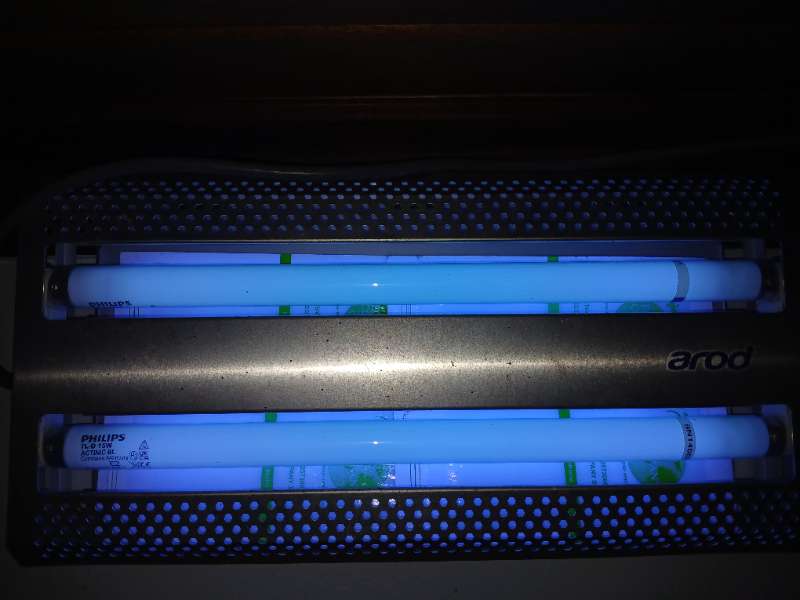
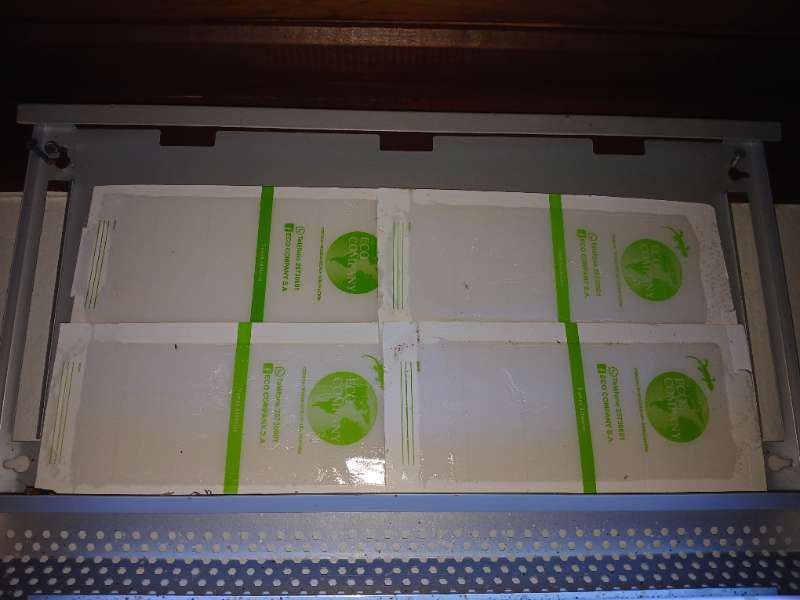
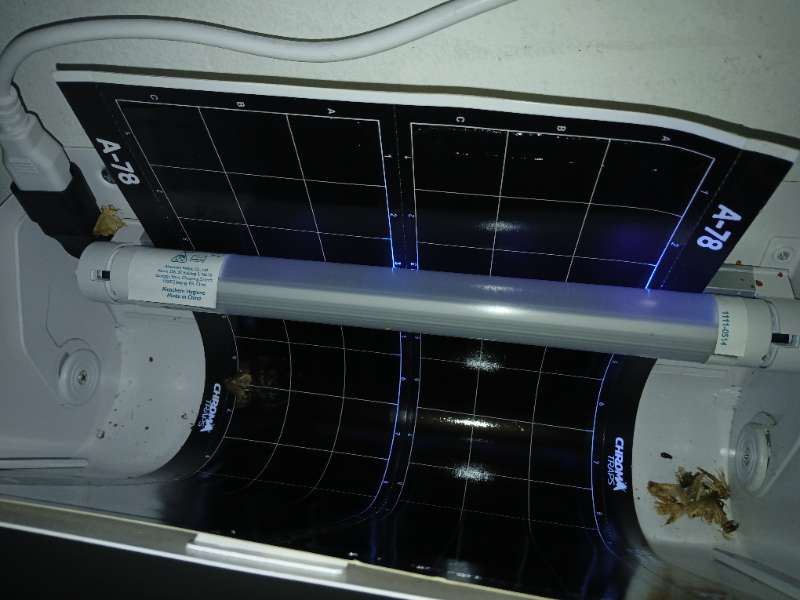
Photos from real service visits, taken from recent reports by our technicians.