Rodents (Rats and Mice) in Costa Rica: Signs, Risks, and Control
✓ Pest control company licensed by the Ministry of Health · ✓ More than 10,000 clients
In homes, businesses, and warehouses, rodents tend to settle wherever they find food, water, and shelter. Controlling them well means two things: reducing resources (sanitation) and cutting off access (exclusion), along with treatment using secure bait stations.
Contents
Scientific Name and Common Species
In pest control, we mainly deal with commensal rodents (species adapted to living close to humans). The most commonly reported in urban and suburban environments include:
- Rattus norvegicus (Norway rat or sewer rat): associated with drains, warehouses, and damp areas.
- Rattus rattus (roof rat or black rat): an excellent climber; uses roofs, false ceilings, and high areas.
- Mus musculus (house mouse): small, can live inside walls, furniture, and warehouses with food.
Common Names in Costa Rica
They're usually called "ratas," "ratones," "rata de techo" (roof rat, when heard in false ceilings), or "rata de alcantarilla" (sewer rat, when activity is seen near drains or gutters).
Where They Hide in Homes and Businesses
- False ceilings and roofs: especially for roof rats; nighttime scurrying can be heard.
- Warehouses, pantries, and laundry rooms: behind boxes, sacks, cardboard, and clutter.
- Yards and exteriors: weeds, wood piles, scrap metal, trash, compost, and areas with pet food.
- False ceilings/ducts: wiring, pipes, unsealed openings.
Conditions That Favor Them
- Accessible food: grain, pet food, trash, kitchen or dining room scraps.
- Water: leaks, containers, drains, damp areas.
- Shelter: clutter, cardboard, dense vegetation, false ceilings with access points.
- Access points: holes, cracks, doors without seals, unprotected grates.
Signs of Activity
- Droppings (small and numerous for mice; larger for rats).
- Gnaw marks on packaging, wood, cables, or pipes.
- Nighttime noises in false ceilings or walls.
- Runways: grease marks or tracks on walls near baseboards.
- Nests: shredded material (paper, fabric) in protected spots.
Prevention (Sanitation + Exclusion)
Rule of thumb: if there's food, shelter, and access, the problem comes back. The most effective approach is to close the whole "system."
- Store food in sealed containers; control pet food.
- Keep trash in covered bins and take it out often.
- Reduce clutter (cardboard and buildup); clear wall edges.
- Seal access points: cracks, pipe openings, grates; improve door seals.
- Keep yards free of weeds against the structure.
Professional Control
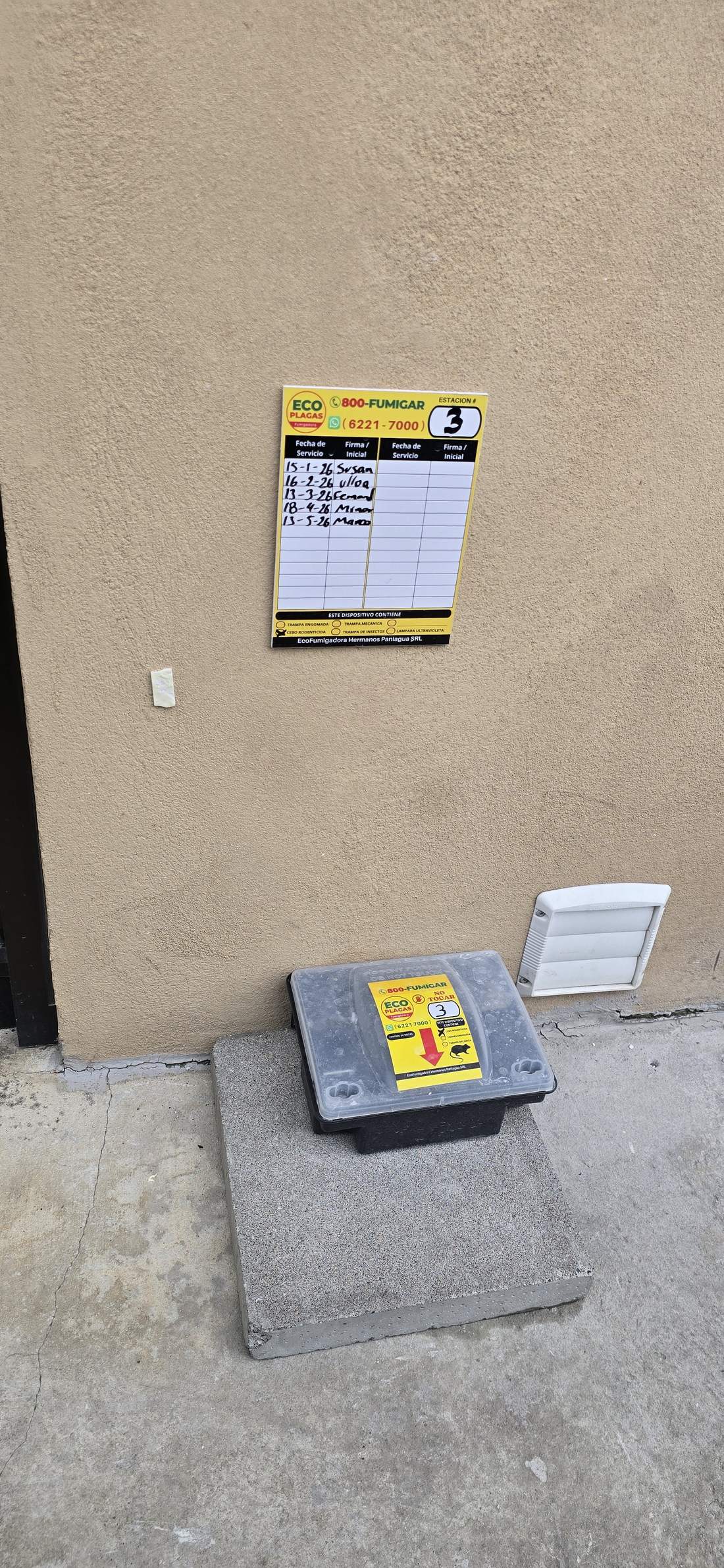
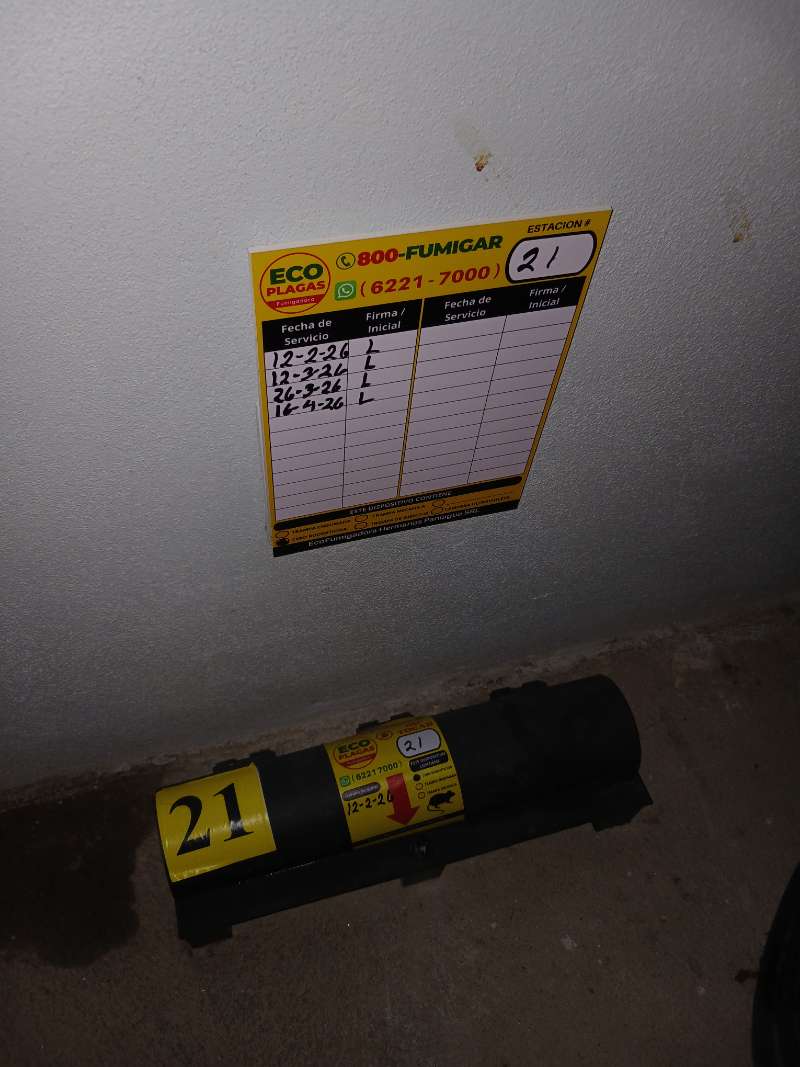
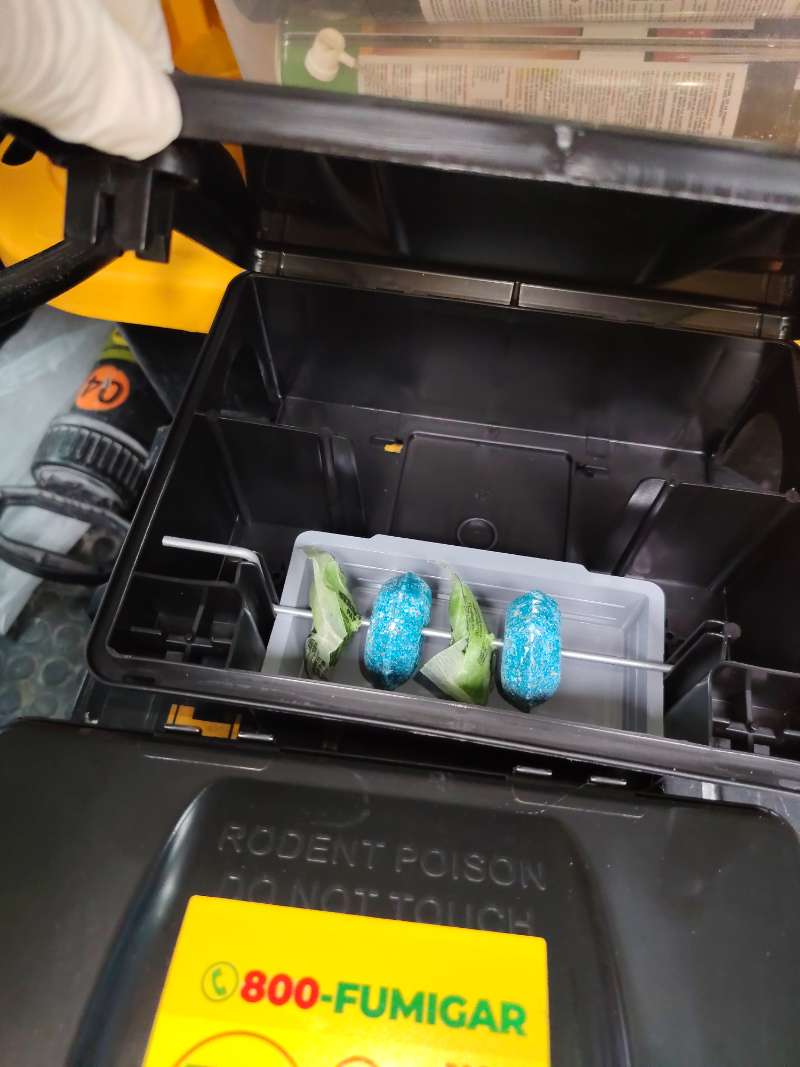
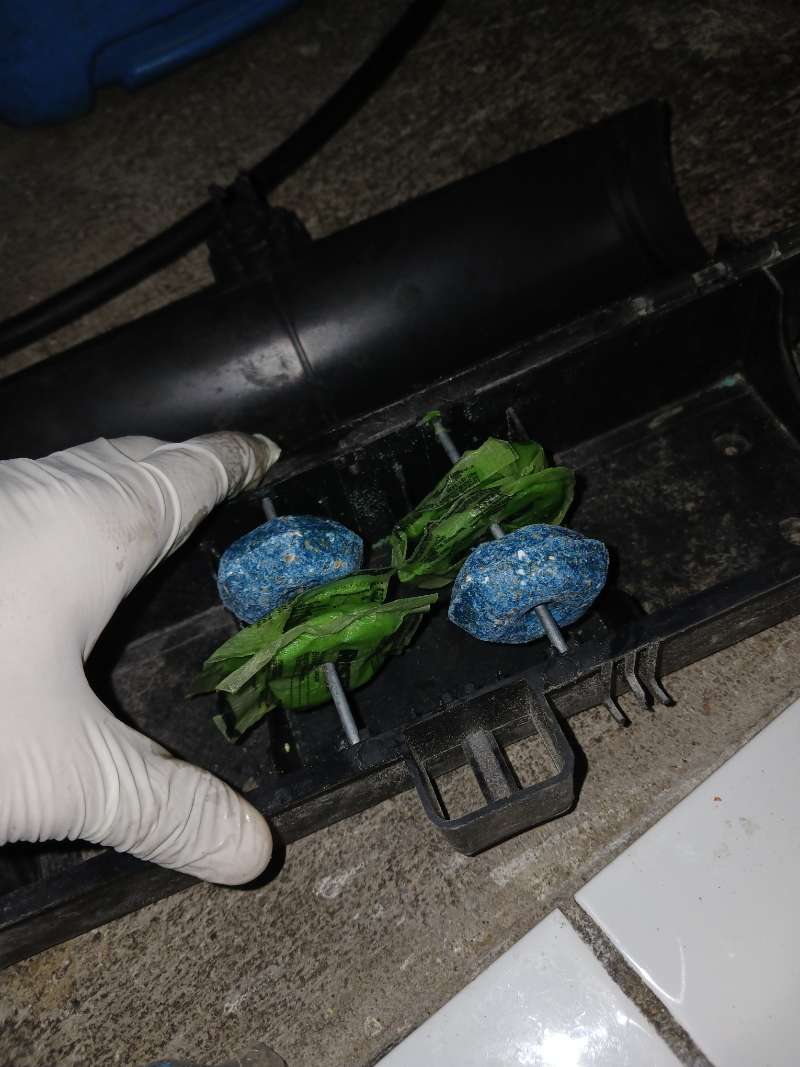
Professional control combines inspection (to identify the species and runways), placement of secure rodenticide stations at strategic points (indoor/outdoor depending on risk), and exclusion and sanitation recommendations. Food businesses commonly set up a recurring schedule to sustain ongoing control.
How We Treat Rodents at EcoPlagas
Photos from real service visits, taken from recent reports by our technicians.