Diagnosis · Rodents
Signs of Rats and Mice
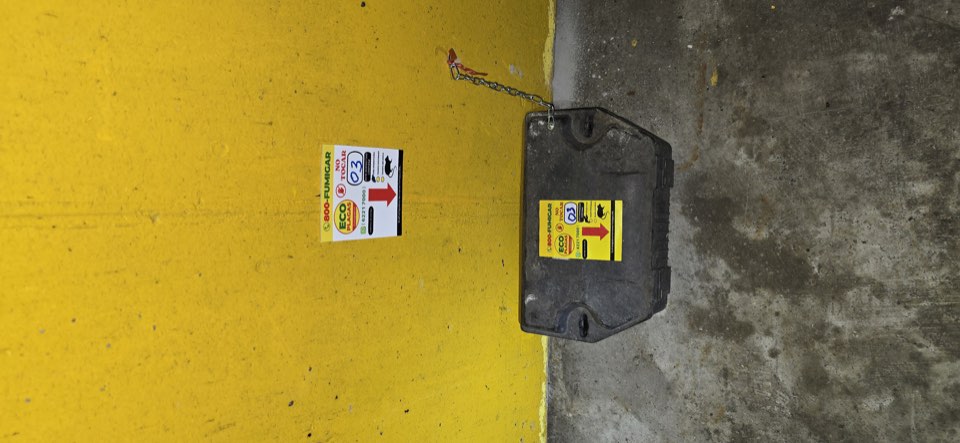
With rodents, diagnosis rules: rats and mice are not controlled the same way. They differ in the gap they fit through, the distance they travel, how they react to a new object and where control should be placed. Confusing them is the most common reason somebody sets traps for two weeks and catches nothing. These are the signs that tell you which one you have, how many, and where they move.
- Droppings are the most informative sign: size and shape give the species, sheen gives how recent it is.
- A mouse is curious and investigates new objects; a rat is wary and may avoid one for days.
- A mouse gets through 6 mm; a rat through about 12 mm.
- Rodents travel hugging the wall: control goes against the skirting, not in the middle of the room.
- Greasy smears on the skirting mark the exact route they use every night.
The seven signs
- Droppings. The most useful sign. Mouse: 3–6 mm, pointed, scattered and plentiful. Rat: 10–20 mm, thicker, grouped in a few places.
- Gnaw marks. On timber edges, plastic or packaging. Clean, fresh edges mean current activity.
- Greasy smears on skirtings and hole edges: their coat leaves a dark mark where they always pass.
- Night noises: scurrying and gnawing, especially in ceiling voids and between floors.
- Nests: shredded paper, fabric, torn insulation, in hidden corners.
- An ammonia smell in enclosed spaces with prolonged activity.
- Your pet’s reaction: a dog or cat fixing on one point of the wall is a reliable early indicator.

How to read droppings
This is worth pausing on, because it is where the most free information is.
- Size → species. Grain of rice: mouse. Small olive: rat.
- Distribution → behaviour. A mouse defecates as it walks, so it appears scattered along the route. A rat tends to concentrate it in spots.
- Appearance → age. Recent: dark, glossy, soft. Old: grey, dull, crumbly. This tells you whether the problem is now or from months ago.
- Quantity → scale. One mouse produces dozens of pellets a day. Plenty in several places is not one individual.
Important: do not sweep or vacuum rodent droppings dry. Dampen with disinfectant, wait, then collect with gloves and a bag. Dry handling raises particles you do not want to breathe.
Rat or mouse: why it changes the control
- Neophobia. A rat distrusts anything new and may take days to approach a trap. A mouse investigates almost immediately. With rats it pays to leave the device unset for a few days first.
- Range. A mouse moves within a few metres of the nest: control has to be very close. A rat covers far greater distances.
- Gap size. Mouse 6 mm; rat about 12 mm. That defines what has to be sealed.
- Water. A mouse can get by on moisture from food; a rat needs to drink, so it settles near a water source.
Mapping the route
Rodents travel hugging walls, using their whiskers as reference; they rarely cross open space. That is an advantage: their routes are predictable.
- Follow the greasy smears along the skirting: that is the route.
- Place control against the wall, perpendicular to it, with the active part facing the skirting.
- Never in the middle of the room: they do not go there.
- Use flour or talc: dust a thin layer at the suspect point and check the next day. The tracks confirm route and direction.
The mistakes that ruin the job
- Sealing before controlling. It traps the animal inside. Control first, seal after; see how to seal the house.
- Placing control in the middle of the room. They do not pass through there.
- Moving the device every two days. With rats, impatience ruins the job: they need time to accept it.
- Handling everything without gloves. Beyond hygiene, fresh human scent causes avoidance.
- Leaving food available. With pet kibble out or bins open, no bait can compete.
- Using poison without judgement in a house with children or pets. That is where most accidents happen; consider alternatives and tamper-resistant stations.
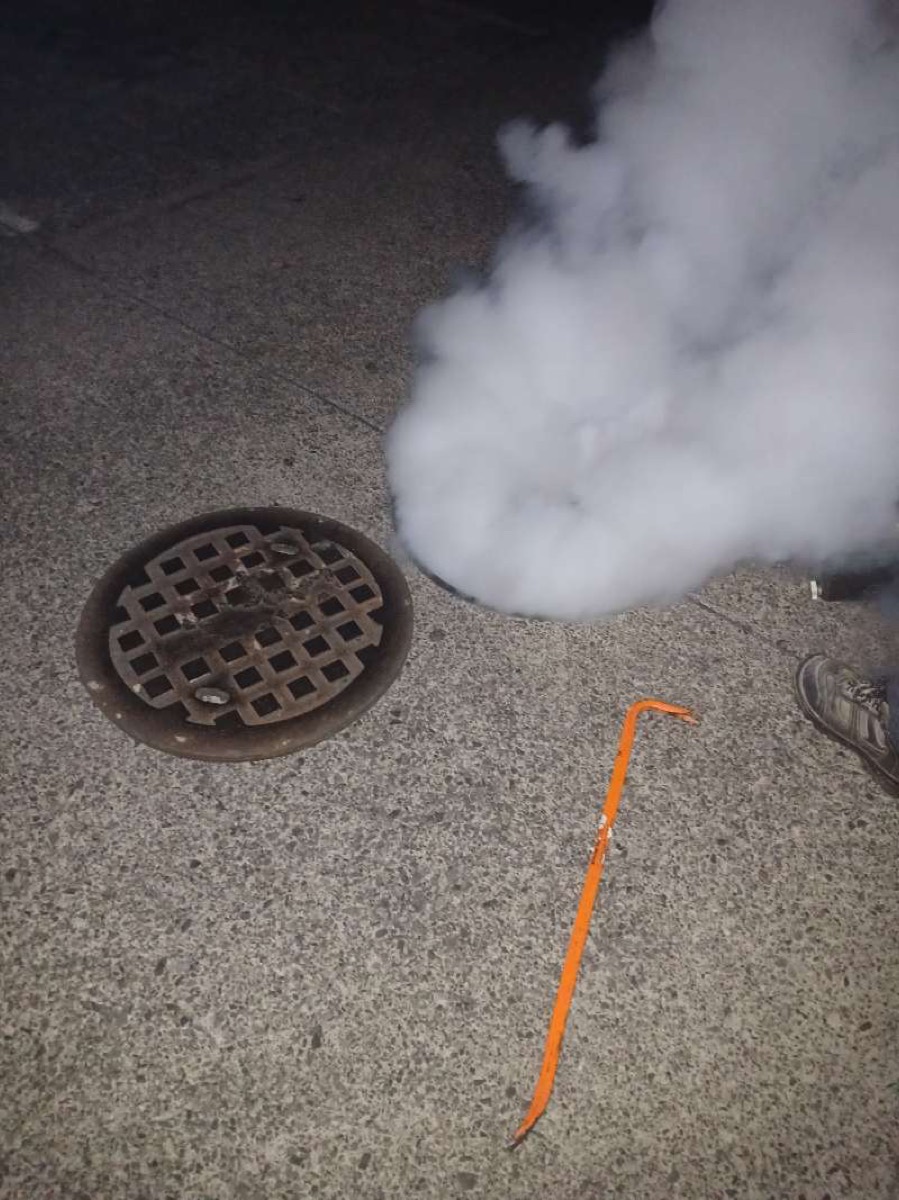
Before investing in traps, dust talc or flour in a 30 cm strip in front of the suspect point and turn off the light. Next morning the tracks tell you three things: whether there is activity, how big the animal is, and which way it moves. With that, control gets placed correctly first time.
Spotted rodents?
Safe rat and mouse control for homes and businesses. Call us.