Diagnosis · Termites
How to Identify Termites
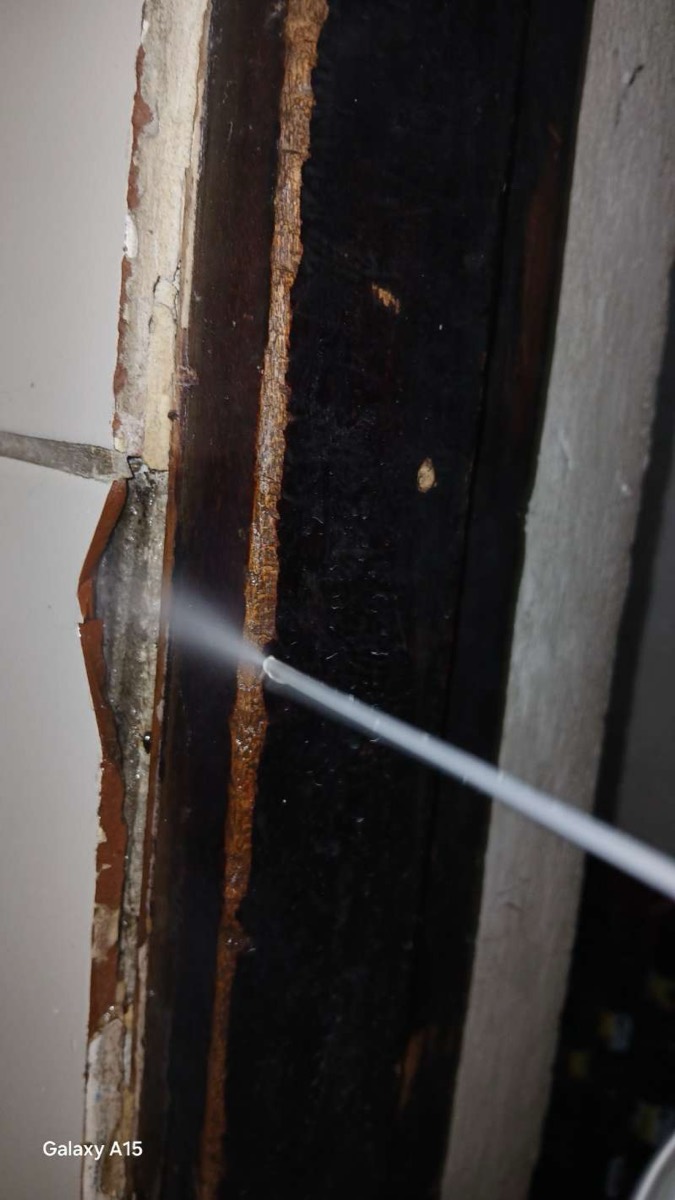
A small mud "tube" on the wall or a pile of wings by the window can be the first clue: termites feed on wood, and if they aren't caught in time, the damage can be serious. The tricky part is that you don't always see the bugs themselves; often those signs are all you get. In Costa Rica, fumigation and termite control require specific products and professional application. Here's what to look for and how to avoid confusing termites with winged ants. Pairing an inspection with sealing cracks and reducing moisture helps prevent problems; if you already see signs, an inspection with Termatrac or professional treatment is worth considering.
- Signs: mud tubes, shed wings, hollow-sounding wood, frass (pellets).
- Termite: thick waist, wings the same size. Winged ant: pinched waist, wings of different sizes.
- If you see mud tubes or damaged wood, a professional inspection is worth it.

Signs you shouldn't ignore
- Mud tubes (galleries): dirt or mud tunnels running along walls, beams, or foundations. Subterranean termites build them to move around without exposure to light. If you see them, don't break them open yourself; it's better to let a professional take a look first.
- Shed wings: during swarming season, reproductives shed their wings. Piles of identical wings (same size) near windows or lights point to a recent swarm; they're often confused with ants. Below, we explain how to tell them apart.
- Wood that sounds hollow: tap it carefully, and damaged wood sounds hollow; it may cave in or have galleries running through it. From the outside it can look almost untouched.
- Frass (pellets): drywood termites leave behind tiny pellet-shaped droppings that pile up under furniture, beams, or on shelves. Don't mistake them for sawdust.
- Live insects: pale, wingless workers; dark winged reproductives during flight season. The key to not confusing them with ants: termites have a thick "waist" and wings of the same size.

Termite vs. winged ant: don't confuse them
Termites have a more uniform body (no pinched waist), wings of the same size, and straight antennae. Winged ants have a very pinched waist and wings of different sizes. If you're not sure, save a few specimens in a jar or take a clear photo so a professional can identify them.
To avoid getting it wrong
If you find loose wings on a windowsill or pellets under a piece of furniture, don't throw them away: put them in a small bag or jar and mention it during the inspection. They help confirm whether it's a drywood or subterranean termite and choose the right treatment. And remember: don't break open mud tubes; a technician can use them to locate the colony.
If you spot mud tubes, hollow-sounding wood, or swarms inside the house, a professional inspection is worth it. The damage can get serious if left unchecked. EcoPlagas offers inspections with Termatrac and iTraker technology without opening walls.
Don't break open mud tubes on your own; a technician can use them to locate the pest. If in doubt, a professional inspection is the safer call.
Suspect termites?
Inspection and treatment with the right products. We serve the Greater Metropolitan Area.

References: