
Cockroaches
Giant or flying cockroach at home: what it is, where it comes from and how to keep it out
- The giant cockroach that flies is the American cockroach: 3 to 4 cm, reddish brown, and it glides when it is hot.
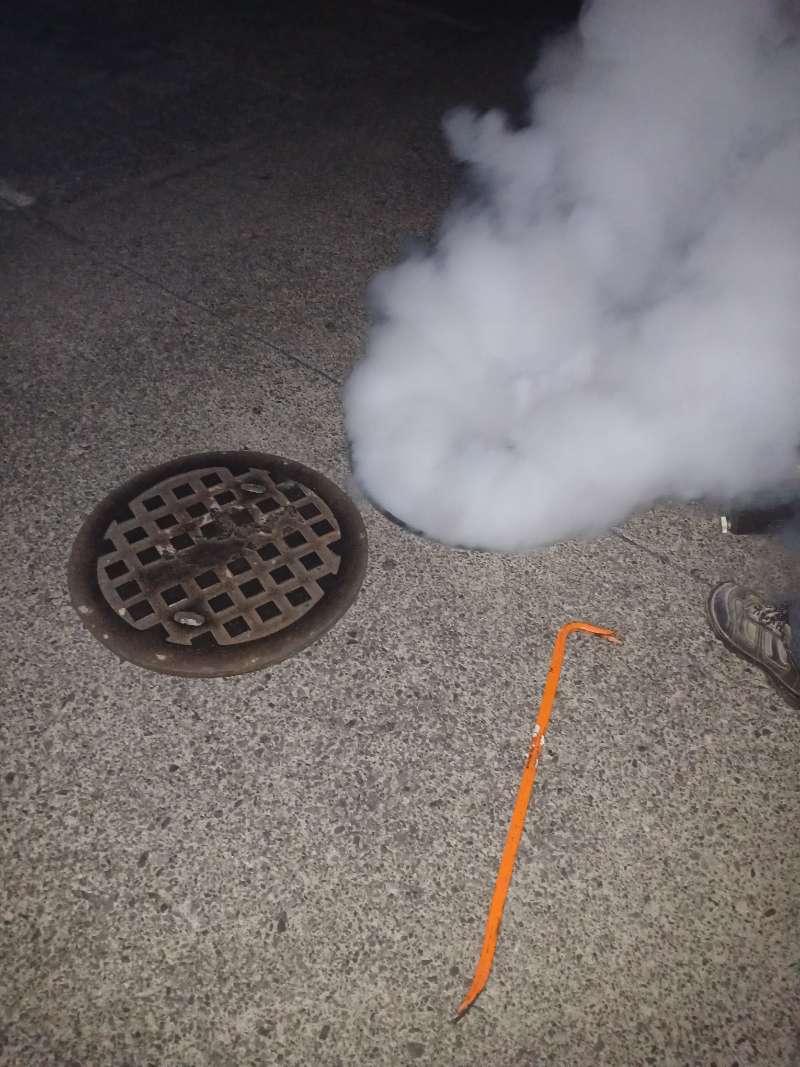
- It lives in sewers, sewer access boxes, septic tanks and drains. It gets in through dry drain traps, uncovered grates and the gap under the door.
- Seeing one doesn't mean your house is dirty: it means there is an open path between your home and the drainage system. In Costa Rica it increases with the first rains in May.
- Spraying the one you see changes nothing. The treatment covers the perimeter, drains and access boxes, with gel indoors. House up to 100 m²: ₡39,900.
What the giant flying cockroach is
If a huge, reddish brown cockroach showed up, came out of the bathroom or the yard and then flew or glided toward the light, it is the American cockroach (Periplaneta americana). It is the largest cockroach that gets into homes in Costa Rica: the adult measures 3 to 4 centimeters, has a shiny reddish brown body, a yellowish band behind the head and wings that cover the whole abdomen. In hot weather it uses its wings to glide from a wall or make short, clumsy flights, almost always toward a light bulb.
The first thing to say: seeing one does not mean your house is dirty. The American cockroach doesn't live in your kitchen. It lives outside, in the drainage system, and comes in when it finds an open door between the sewer and your home. The job is to find that door and close it, and that is what this guide explains.
Where it comes from: sewers, access boxes and drains
The American cockroach needs high humidity, darkness and decaying organic matter. It finds all of that in:
- Sewers and the storm drain network on the street. In a GAM neighborhood the population lives there, not in the houses.
- Sewer access boxes in the yard or on the sidewalk, especially with a broken or unsealed lid.
- Septic tanks and grease traps, in homes not connected to the sanitary sewer.
- Drains and pipes: your own home's downpipes are a direct hallway from the street to the shower.
From there they come in by three routes that repeat in almost every home:
- The dry drain trap. Every drain has a bend that holds water and acts as a plug. In the guest bathroom nobody uses or the utility sink in the garage, the water evaporates in one or two weeks and the plug is gone. The cockroach climbs up the pipe and comes out through the grate.
- Grates with no cover or with large holes, in bathroom floors, the laundry room and the yard.
- The gap under the door that opens to the yard or the street, and the cracks where pipes come in.
Why you see more of them in May and in hot weather
In Costa Rica there are two peaks. The first is the first rains in May: the water floods sewers and access boxes, and the cockroaches that lived there come out en masse looking for a dry place. That week is when we get the "ten of them came out at once" calls. The second is the heat of March and April and the hot nights of the rainy season: at high temperatures the American cockroach is more active and flies toward the lights of patios and open windows. In low-lying areas (Guanacaste, Puntarenas, Limón) the problem lasts all year.
How it differs from the German cockroach (the one that is an infestation)
It is worth telling them apart because the diagnosis changes completely:
- American cockroach (the giant one): 3 to 4 cm, reddish brown, shows up one at a time or in small groups, in bathrooms, laundry sinks, the garage and the yard. It flies. It almost always comes from outside. It is an access problem.
- German cockroach (the small kitchen one): 1 to 1.5 cm, honey colored with two dark stripes on its back, doesn't fly, shows up in the kitchen, inside drawers, in the fridge and microwave motors, and in large numbers. That one is an indoor infestation: it lives, eats and breeds inside the house and won't go away by closing a grate.
If what you see are small cockroaches in the kitchen, the cockroach control guide explains that other treatment. If they are the big ones from the drain, keep reading.
What you can do today
A good part of the American cockroach problem is solved by closing off entry points, and that is in your hands:
- Covers on every floor grate. Fine-mesh grates or locking covers in bathrooms, the laundry room and the yard. It is the measure that gives the most results for what it costs.
- Traps filled with water. In drains you don't use daily, pour in a glass of water every week. If the bathroom stays closed for weeks, plug the drain with a stopper or a bag of sand.
- Seal under the doors. A door sweep or weatherstrip at the bottom of doors that open to the street and the yard. The American cockroach flattens itself and gets through a half-centimeter gap.
- Silicone around pipe openings under sinks, the kitchen sink and the laundry sink, and in cracks in bathroom baseboards. How to do it right is in the guide to sealing cracks and gaps in your home.
- Access boxes with a sound lid, sealed at the edge with mortar or silicone.
- Light and food outside. White patio light with the window open attracts them: use a screen or a yellow bulb. And the dog's bowl left in the yard all night is a feeder for them.
Why spraying the one you see doesn't work
Killing the one that came out tonight feels good, but it changes nothing: it is one of hundreds living in the block's drainage network, and tomorrow another one will climb up the same pipe. Spraying insecticide into the drain doesn't kill them (it washes away with the water), and spraying in the kitchen contaminates the spots where the gel should go later. If you are going to use something, use it on the gap where they come in, not on the cockroach. The options and their limits are on the page about cockroach poison: what works and what doesn't.
How it is really treated
Professional treatment against the American cockroach works in the order the insect moves: from the outside in.
- Outdoor perimeter. Residual application on the strip of wall and floor around the house, under doors, in sidewalk cracks and at the base of walls. It is the barrier they cross when they leave the drainage system.
- Drains and grates. Treatment inside the house's floor drains, laundry sinks and junction boxes, with a product that sticks to the pipe walls and doesn't wash away with the water.
- Accessible sewer access boxes on the property and, when applicable, the grease trap and septic tank vents.
- Gel indoors. Spots of bait gel in the hiding places of the bathroom, laundry room, storage room and kitchen, for the ones already inside, without spraying surfaces in the house.
- Written sealing recommendations: which grate, which door and which trap to fix so they don't come back.
You can go back into the house one hour later, and the date is confirmed by WhatsApp in less than an hour.
Condominiums and buildings
In a condominium or building the drainage is shared: the cockroach that comes out in apartment 3 lives in the same network as the one in apartment 7. Treating a single apartment helps, but what solves it is treating the common areas: the complex's sewer access boxes, trash and pump rooms, meters and planters with drainage, plus the perimeters. It is worth having the management coordinate a treatment for the whole complex; we can prepare the proposal for the board of directors.
How much it costs
House or apartment up to 100 m²: ₡39,900 with VAT included and no travel fee in the GAM. Up to 200 m² ₡49,900 and over 200 m² ₡59,900. It covers the perimeter, drains, accessible sewer access boxes and gel indoors. If you have not fumigated in the last 6 months, it takes two applications and the second one is charged; the 30-day check only applies once the plan is complete. Service 24 hours a day, every day, nationwide.
Frequently asked questions
Do giant cockroaches really fly?
Yes, but badly. The adult American cockroach has full wings and uses them to glide from a high spot or to make short, clumsy flights when it is hot and light is low. Hot nights in April and May are when you see them flying toward lights the most.
Why do big cockroaches come out of my bathroom if the house is clean?
Because they don't come from your trash, they come from the sewer. They live in the drain network and climb up through the shower or sink trap when it dries out, or through an uncovered floor grate. It is an access problem, not a cleanliness problem.
How do I stop them from coming in through the drain?
Keep the traps filled with water (pour in a glass every week in bathrooms you don't use), put covers or fine-mesh grates on floor drains, seal pipe openings under sinks with silicone, and fit a door sweep or weatherstrip at the bottom of doors that open to the yard.
How much does cockroach treatment cost?
House or apartment up to 100 m²: ₡39,900 including VAT; up to 200 m² ₡49,900; over 200 m² ₡59,900. No travel fee in the GAM. Includes the perimeter, drains, accessible sewer access boxes and gel indoors. If you have not fumigated in the last 6 months, it takes two applications and the second one is charged; the 30-day check only applies once the plan is complete.