Regulations · Consumer protection
How to Verify the Pest Control Company You're About to Hire Is Legal (the 5 Documents to Ask For)
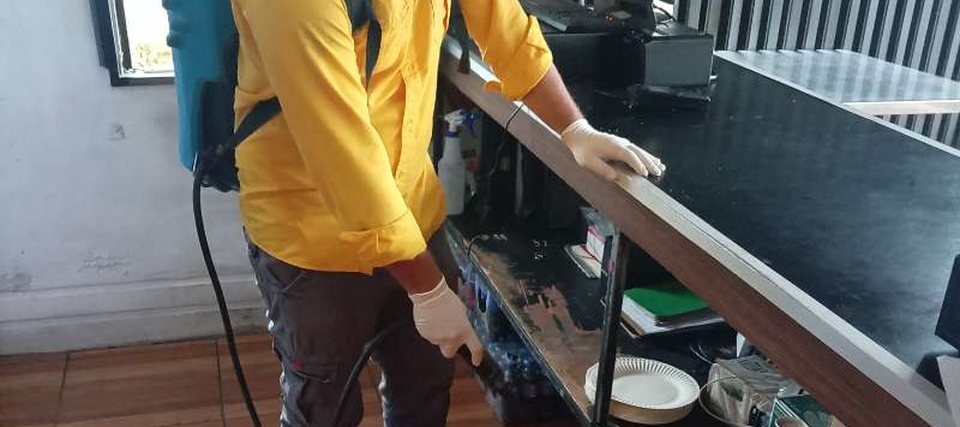
In Costa Rica, anyone can buy a backpack sprayer and offer to "fumigate" homes and businesses. But the activity is regulated: the General Health Law (Ley General de Salud, N° 5395, art. 245) establishes that anyone in the pest control business can only operate with a permit from the Ministry of Health and with authorized substances. And since 2014 there's a specific regulation that tells you, as a customer, exactly what to require. Here's the summary so you don't hire blind, whether it's for your home, your business, or your kids' school.
- Professional fumigation is regulated by Executive Decree 38335-S-MTSS (published in La Gaceta N° 85, May 6, 2014).
- You should ask for: a current health permit, a chemical regent, products registered with the Ministry of Health, a service sheet, and proof of staff training.
- The "service sheet" is yours by right: you must be given the original at every visit.
- An informal applicator can't give you any of these documents.
The regulation that protects the customer
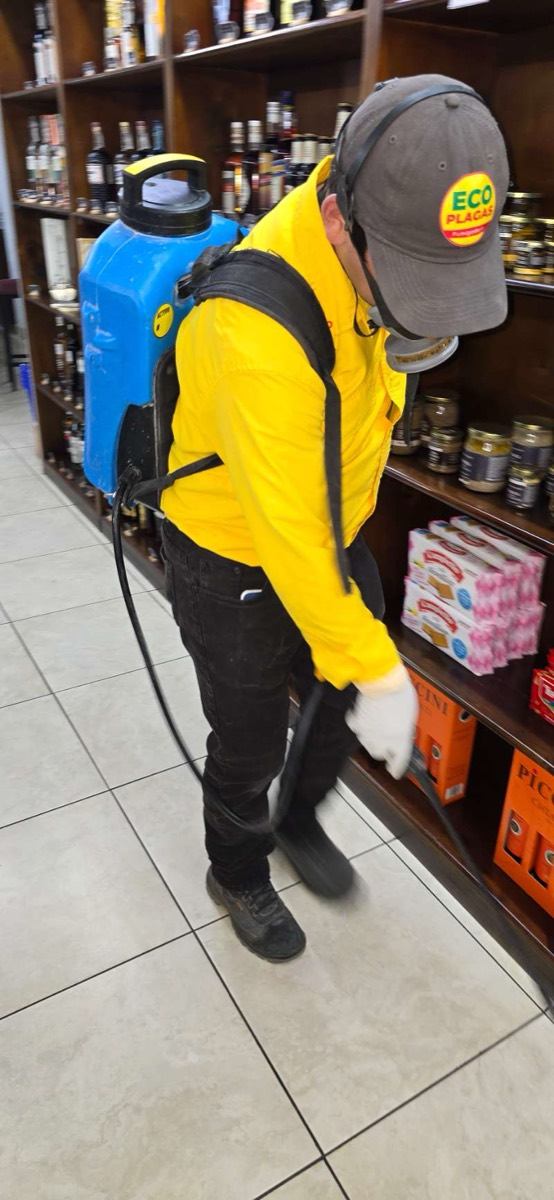
Executive Decree N° 38335-S-MTSS, the "Reglamento para Regular la Actividad de Control de Plagas Mediante la Aplicación de Plaguicidas de Uso Doméstico y Profesional" (Regulation Governing Pest Control Through the Application of Domestic and Professional Pesticides), applies to any individual or company that controls pests in homes, buildings, industrial sites, businesses, and places where people gather. One curious detail: it's often miscited as "38355" because of an error in an official file name; the correct number, as it appears in La Gaceta N° 85 of May 6, 2014, is 38335-S-MTSS.
The 5 documents to ask for
- 1. A current health operating permit. Permits for the pest control business are valid for one year (art. 7 of the regulation): ask for this year's permit, not an old one framed on the wall.
- 2. A chemical regent. The company must have a licensed regent registered with the Colegio de Ingenieros Químicos y Profesionales Afines (Costa Rica's board of chemical engineers), responsible for the technical oversight of products and procedures.
- 3. A list of pesticides with registration numbers. Every product applied on your property must be registered with the Ministry of Health, with its generic name, brand name, and registration number (art. 6.a).
- 4. The service sheet. Article 6.b is the customer's best friend here: the company must give you the original of a sheet listing safety measures before, during, and after application, the re-entry time for the treated area, and the pesticides applied. That sheet "can be requested by the relevant authorities": it's your evidence in an inspection and your backup if something goes wrong.
- 5. Staff training. Technicians must receive training at least once a year in pesticide handling, label reading, signs of poisoning, and first aid (art. 11).
Why this matters even more with kids, pets, or a business involved
If the application takes place at a school, a daycare, or a food business, hiring an informal applicator isn't just a health risk, it's a legal one. A food business's pest control plan requires an authorized company (Decree 37308-S, art. 61), and at a school, if something happens to a child, the institution has no way to prove due diligence if whoever applied the product can't produce a permit, a chemical regent, or a service sheet. The re-entry time documented in writing is the difference between a professional procedure and recklessness.
Our Ministry of Health permit, our registration with the Colegio de Químicos, and our municipal business license are published on our site; you can see them in the credentials and permits section, or request them on WhatsApp and we'll send them to you as a PDF right away.
Hire with the paperwork on the table
Ministry of Health permit, chemical regent, and a service sheet on every visit. Free quotes and prices published on our website.

References:
La Gaceta N° 85 of May 6, 2014 (original publication of the decree)
Decree N° 37308-S, Regulation for Public Food Service Establishments (art. 61)
General Health Law N° 5395, art. 245 (pest control requires a Ministry of Health permit), available through the Sistema Costarricense de Información Jurídica (SCIJ)