Regulations · Food businesses
The Pest Control Plan Costa Rican Law Requires for Your Food Business (and How to Set It Up Right)
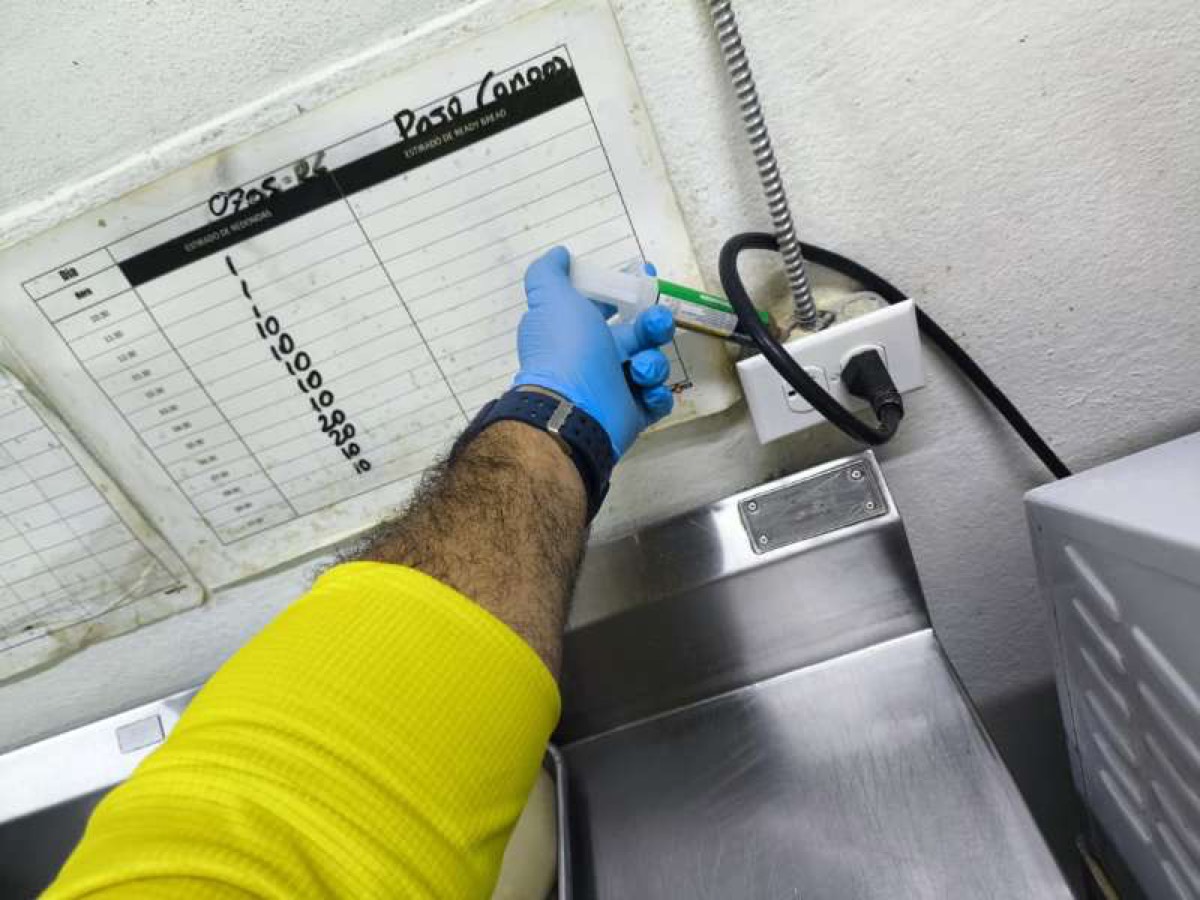
Many restaurant, soda, and bakery owners in Costa Rica believe "fumigating every now and then" is enough. The regulation says otherwise: Executive Decree N° 37308-S (Regulation for Public Food Services, in effect since 2012) requires a pest control plan that is permanently in execution and documented in a log. Here's what that means in practice, what the plan must contain, and how to keep the log using the format published by the Ministry of Health itself.
- The plan is mandatory for any business that prepares or serves food (article 61 of Decree 37308-S).
- Fumigating isn't enough: every activity and application must be documented in a log.
- Products must be registered with the Ministry of Health, and the applicator company must be authorized by the Ministry of Health.
- The Ministry publishes an official log format you can download for free (link below).
What article 61 actually requires
Article 61 of the regulation ("Pests and Animals") states that establishments "must be kept free of pests" and requires, among other things:
- That the person in charge or owner of the business develop and keep "a pest control plan in execution."
- That whenever the control requires pesticides, the application be carried out by trained personnel.
- That "a record of activities and applications that can demonstrate compliance" be kept.
- That the products be authorized by the Ministry of Health.
- That if the service is provided by a company, that company be authorized by the Ministry of Health.
The same regulation adds related requirements: non-perishable food must be stored in a place that is "clean, dry, and protected from pests," on pallets or shelving (art. 42), drains must have grates to keep rodents out, and windows in processing areas must have insect screens.
The 5 pieces of a plan that actually passes inspection
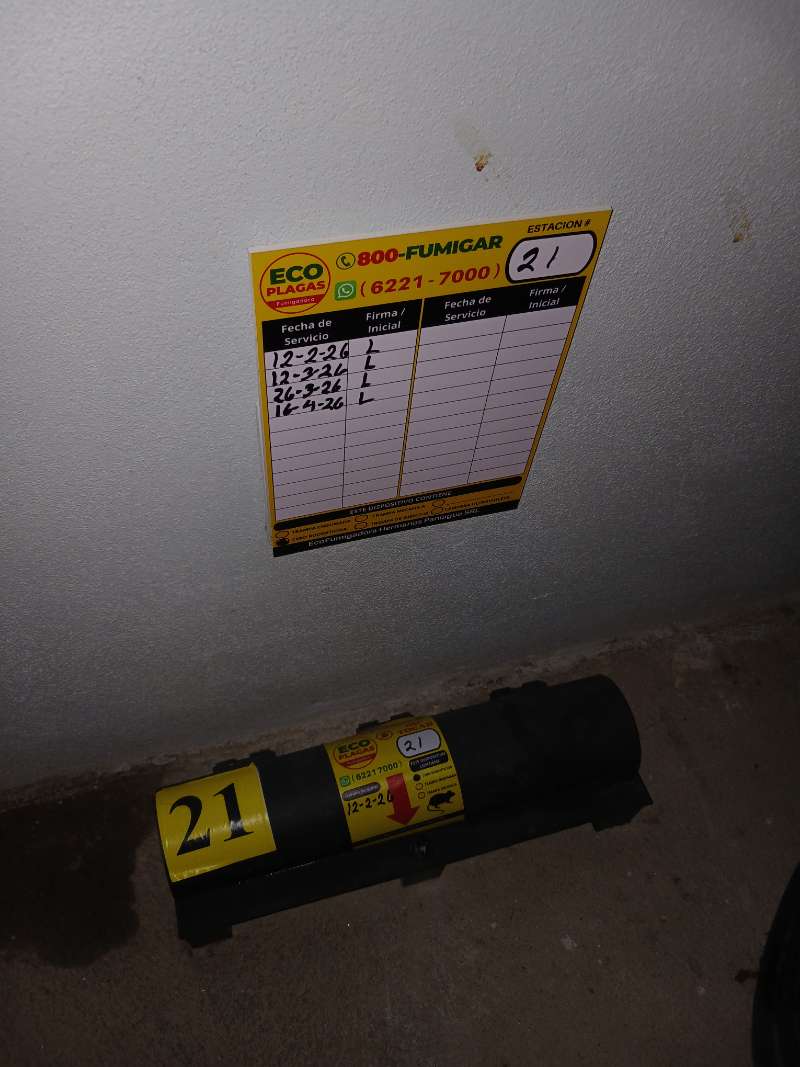
- 1. Diagnosis and map. Which pests are present or could get in (cockroaches, rodents, flies), through where, and a floor plan of the business marking critical points and numbered bait stations.
- 2. Preventive measures. Sealing cracks, drain grates, trash management, storage on pallets. Even the best product application can't make up for a disorganized storeroom; see our guide on how cleaning prevents pests.
- 3. Treatment with registered products. Gels, bait in closed stations, and targeted applications, with each product's Ministry of Health registration number noted down.
- 4. The log. The record of every visit: date, area treated, pest, trap type, product, frequency, and person responsible. The Ministry of Health publishes an official Excel format with exactly those columns: use it as-is, or ask your provider to hand it over in that format.
- 5. Provider evidence. The pest control company's sanitary permit, chemical oversight (regencia química), product safety data sheets, and the service report from each visit. Without this, the plan falls apart in front of the inspector.
How often does a restaurant need to be fumigated?
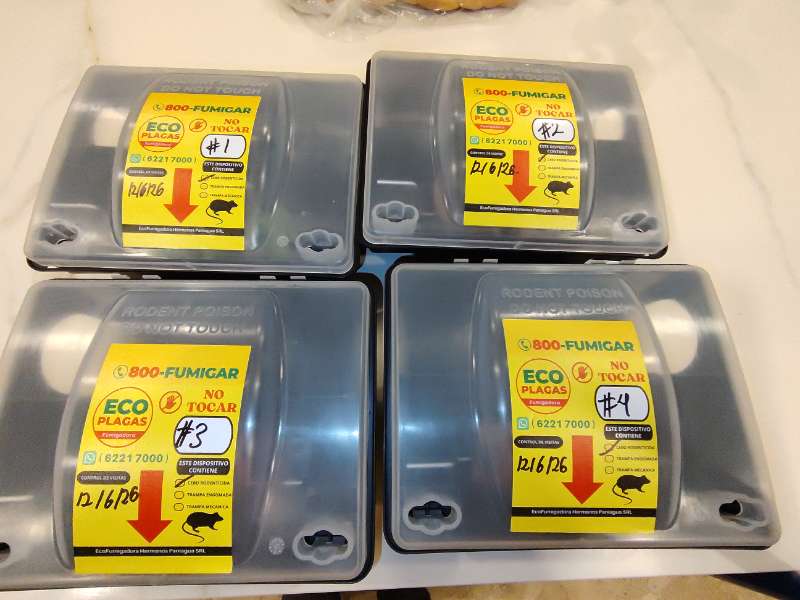
The decree doesn't set a fixed frequency: it requires that the plan be "in execution" and that the log prove it. In practice, for food service businesses the market standard is monthly, because products lose their residual effect, rodent stations need to be checked, and the log needs to show continuity. A business that shows up with a log listing a single fumigation from eight months ago has, in the inspector's eyes, no plan in execution.
For food processing plants and warehouses, the Central American Technical Regulation for Good Manufacturing Practices also applies (RTCA 67.01.33:06, section 5.7): a written program, station mapping, safety data sheets, and a written inspection log. It's a prerequisite for HACCP and the audits that retail chains require.
We'll set up the full plan for you
Monthly commercial plan with a log in the Ministry of Health's official format, certified, station map, and safety data sheets. Custom quote based on the location.

References:
Executive Decree N° 37308-S, Regulation for Public Food Services (full text, arts. 42 and 61)
Ministry of Health – Pest Control Log Format (official Excel)
Ministry of Health – Inspection Guide for Public Food Services
RTCA 67.01.33:06 – Good Manufacturing Practices, food and beverage industry (COMEX)