
Business · Flies
Flies in Sodas and Restaurants: How to Break the Cycle
In a soda (a small Costa Rican eatery), flies are more than a nuisance: they are the first thing customers see and one of the items the inspector checks. The usual reaction is to buy a spray can or an electric swatter and fight the ones that are flying. The problem is that by the time a fly is flying, it has already bred. Really bringing the population down means finding where they are breeding, and in a commercial kitchen it is almost always the same five places.
- In the heat here, a fly can go from egg to adult in just over a week: the breeding site replaces them faster than you can kill them.
- The five hot spots: grease trap, drains, trash area, food debris under heavy equipment, and recycling bins.
- Drain flies don't fly far: if you see one, the breeding site is less than two meters away.
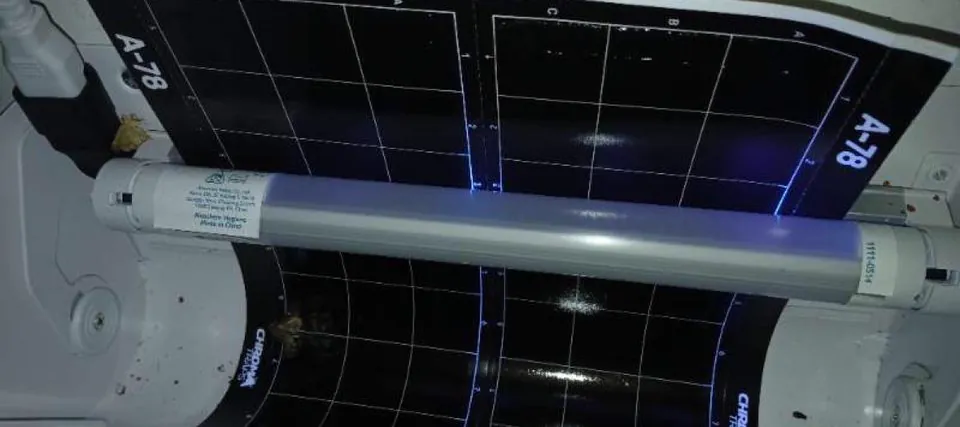
- A UV light trap is evidence of control, but it doesn't replace sanitation.
Why killing adults doesn't bring the population down
A single female lays hundreds of eggs and, in the Costa Rican heat, the cycle from egg to adult is complete in just over a week. If the breeding site stays active, new flies replace the old ones faster than any method of killing adults can keep up.
In plain terms: the spray and the swatter fix the scene in the dining room for twenty minutes. The only way for the population to drop and stay down is for them to have nowhere left to breed.
The five breeding sites in a commercial kitchen
- The grease trap. It is number one and the most overlooked. If the crust on the lid has been there for weeks, there is activity in it. It needs scheduled cleaning, not cleaning when it starts to smell.
- Floor drains. An organic film (biofilm) builds up on the inside walls of the pipe, and that is where drain flies breed. Pouring bleach down doesn't work: the bleach runs through and is gone. You have to scrape the pipe wall or use an enzymatic product that breaks down the film.
- The trash area. The critical spot isn't the trash can: it is the floor underneath and around it, where liquid has leaked and nobody washes. And the lid that is left half open.
- Under and behind heavy equipment. Stove, refrigerator, cold table. Food debris that fell months ago and can only be seen if the equipment is moved, which almost never happens.
- Recycling bins. Bottles and cans with sugary residue stored in a warm corner are a textbook fruit fly breeding site.
Which fly it is and what it's telling you
- House fly (the big gray one): breeds in decaying organic matter. Think trash and grease trap.
- Fruit fly (small, red eyes, flies slowly near the bar): fermentation. Ripe fruit, spilled liquor, sour rags, the bottom of the recycling bin.
- Drain fly (tiny, fuzzy, rests on the wall with its wings folded like a roof): biofilm in the pipes. It doesn't fly far from where it hatched, so it is pointing you to the exact drain.
Knowing which one you have saves you from searching blindly: each one points to a different kind of source.
The seven-day plan
- Day 1: Find the source. Walk through with a flashlight at closing time: under equipment, drains, grease trap, trash area. Put yellow sticky tape near each suspect and check it the next day: the one that catches the most marks the breeding site.
- Day 2: Attack the source. Deep clean the spot you identified. In drains, scraping or an enzymatic product; never bleach alone.
- Day 3: Close the entry points. Air curtains or screens on service doors, seal the kitchen windows, make sure the receiving door isn't left open during unloading.
- Day 4: Set up monitoring. A UV light trap with a glue board, away from the door and out of sight of the dining room. Never above food prep surfaces.
- Days 5 to 7: Measure. Count the catches on the board every day. If the number doesn't drop, that wasn't the source or there is more than one.
A health inspection won't require that there isn't a single fly: it will require evidence that you have the problem under control. That means the pest control plan, the service log and the receipt from a licensed company. See what Decree 37308-S requires and what the Ministry of Health checked in this year's crackdown.
Flies at your business?
We find the breeding site, not just the flies in the air. With a service log and receipt for the inspection.

References: