
Prevention · Before and after
How to prepare your home before fumigation
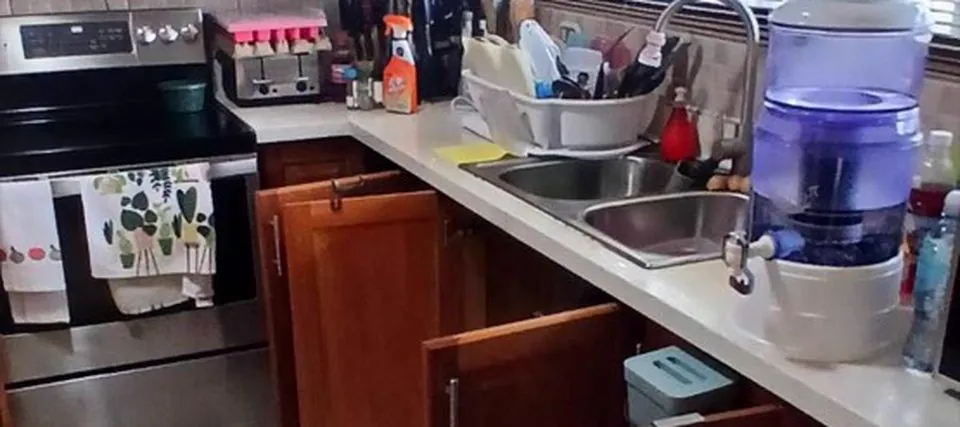
Most people book the service and simply wait for the technician. Then one of two things happens: either the technician could not treat half the spots because they were covered, or everything had to be moved in a rush while he waited. Half an hour of preparation changes the result, and it is not complicated: the idea is to leave accessible what needs treating and protect what should not be touched.
- Clear baseboards, corners and the area under the sink: that is where the product goes.
- Put away food, utensils and dishes; remove or cover fish tanks and cages.
- Leave kitchen and bathroom drawers empty if the problem is cockroaches.
- Afterward, do not mop the baseboards: that wipes off exactly what was applied.
Before: leave accessible what needs treating
The product is not applied into the air: it is aimed at cracks, baseboards, joints and travel routes. If they are blocked, they simply do not get treated.
- Pull furniture away from the wall about 20 cm in the rooms to be treated. Especially pieces that have not been moved in years: behind them is where what we are looking for builds up.
- Empty the lower kitchen and bathroom drawers if the problem is cockroaches. The application goes where the drawer meets the cabinet, and with everything inside it cannot be reached.
- Clear out the space under the sink. It is the number one spot in the house: moisture, darkness and pipes that run through the wall.
- Lift whatever sits on the floor against the wall: boxes, bags, rolled-up rugs. Each one is a hiding place and an obstacle.
- Sweep and vacuum before, not after. Removing crumbs and dust improves how well the product adheres and takes away food.
Before: protect what should not be touched
- Food, dishes and utensils: store them in closed cabinets or in bags. Remove whatever is left out on the counter.
- Fish tanks: they are the most sensitive thing in the house. Turn off the air pump and cover the aquarium with plastic during the application and the hours after. A running air pump draws air from the room into the water.
- Bird cages: take them out of the house. Birds are especially sensitive.
- Dogs and cats: out of the treated area until the re-entry time has passed. Also remove food bowls, water bowls and beds.
- Toothbrushes, pacifiers and baby toys: put them away even if the bathroom does not seem to be a treatment area.
Babies, people with asthma, pregnancy, bedridden older adults, pets, fish. That information changes the product, the technique and the re-entry time. It is not a formality: mention it when you book, not when the technician is already applying.
During: what to expect from the service
A well-done service is not someone walking around with a sprayer and spraying evenly. It should look like this:
- Inspection first. The technician checks before applying, to know where the problem is.
- Targeted application. Gel in cracks, spray on baseboards and joints, bait where appropriate. Each pest and each area has its own technique.
- Protective equipment on: respirator and gloves.
- An explanation at the end: what was applied, how long to wait before re-entering and what signs to watch for over the following days.
- Proof of service, detailing what was applied. If the premises are a business, that document is part of what the inspector asks for: see the pest control plan required by law.
After: what people most often get wrong
This is where much of the work gets lost, almost always with the best of intentions.
- Respect the re-entry time you were given. It varies by product and area; ask if you were not told.
- Air out the house when you return: open the windows for a while before settling back in.
- Do not mop or wash the baseboards for the days you are told. It is the most common mistake: the product was left right there and you are wiping away the barrier. Mop the middle of the floor if you like, but leave the edges.
- Wash whatever was left exposed: dishes or food prep surfaces you did not manage to put away.
- Expect to see more insects in the first few days. It sounds odd, but it is a good sign: they come out of their hiding places affected. It is especially typical with cockroaches.
- Write down what you see. If after ten days there is still activity in the same spot, let us know. A serious service includes follow-up, and that information guides the second visit.
Ready to book?
We tell you exactly what to prepare based on the pest and who lives in the house. No surprises on the day of the service.

References: